One of Nepal’s most isolated, adventerous, and rewarding Himalayan treks is the Kanchenjunga Circuit Trek. This trek circles Mt. Kanchenjunga (8,586m), the third-highest mountain in the world. It is away […]
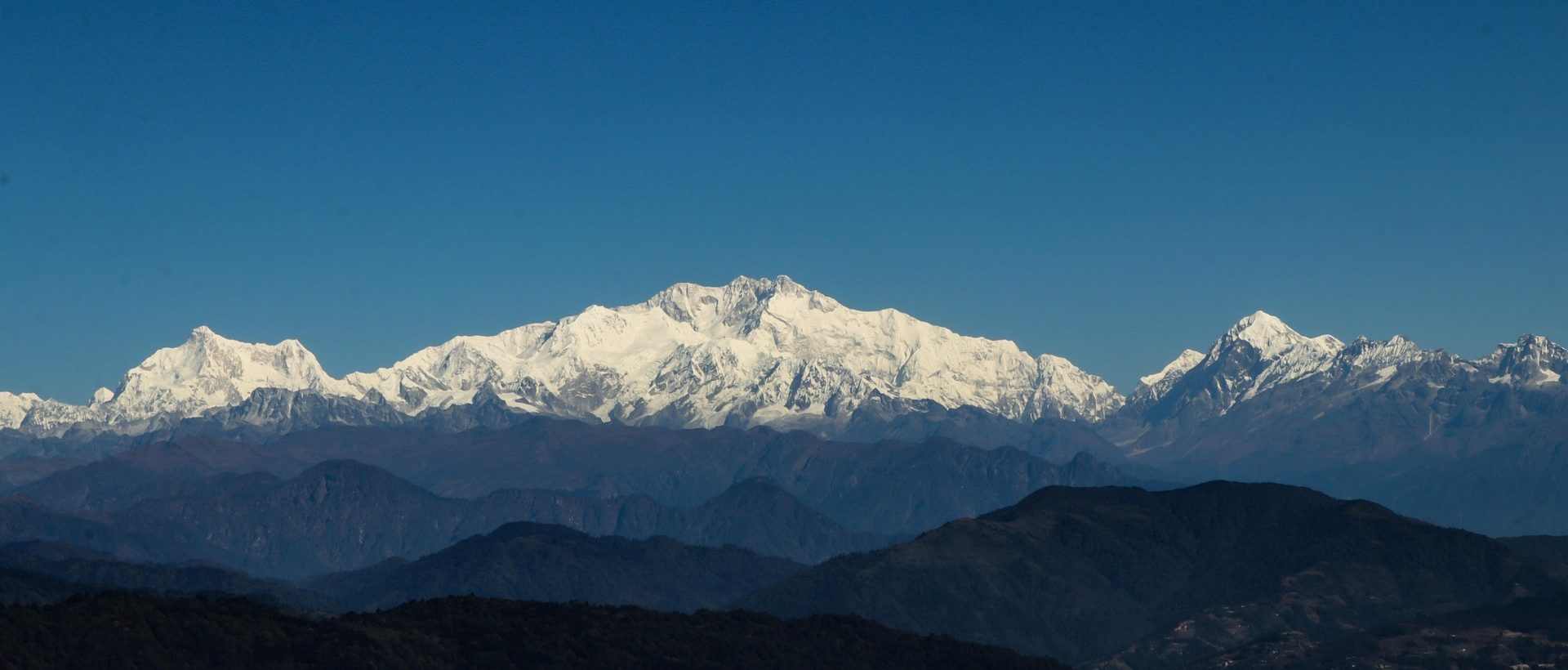
One of Nepal’s most isolated, adventerous, and rewarding Himalayan treks is the Kanchenjunga Circuit Trek. This trek circles Mt. Kanchenjunga (8,586m), the third-highest mountain in the world. It is away from the overcrowded Everest and Annapurna routes, this trek offers a pristine wilderness experience, which is located in the far eastern side of Nepal, near the borders of India and Tibet.
During this trek, you will trek through some of the breathtaking scenery in Nepal, also cross high passes, and explore both the North Base Camp (Pangpema, 5,140m) and the South Base Camp (Ramche, 4,580m) during this majestic trek.
This trek offers you all, a journey through contrasting landscapes and cultures, from the winds wept yak pastures and icy glaciers of the Kanchenjunga massif to the unreal tea gardens of Illam and the rhododendron forests of Taplejung. You will be able to encounter the Limbu, Rai, Tibetan Sherpa, and Bhote communities, learn about their distinctive customs, and travel through remote villages, high mountain passes, and alpine forests.
This trek is a difficult and challenging, which is best suited for hikers who enjoy rough terrain and are in good physical condition. You will hike to the breathtaking Jannu Base Camp, take rest days to acclimatise and admire the glaciers and tall peaks of Kanchenjunga from both sides of the massif.
The special aspect of the Kanchenjunga Circuit Trek is the chance to experience diverse and authentic Himalayan cultures, around the areas which are likely to be untouched by mass tourism. From the lower hills to the high mountains, you’ll encounter the variety in culture and experience fascinating blend of ethnic groups, traditions, languages, and lifestyles.
When you first start the trek, at the starting and end (Phidim, Illam, Taplejung, Sekathum, Rani Pul), you’ll pass through villages of the Limbu (Yakthung) and Rai (Khambu) people. You can experience these peoples culture at the very begninnging.These groups are indigenous to eastern Nepal, with their own Sino-Tibetan languages. They are fully emmerged into the Hindu-Buddhist beliefs. You will be able to see beautiful terraced fields, traditional wooden houses with carved windows, and women weaving colorful dhaka fabrics, this reflets their culture and tradition. The Limbu culture is known for its Chyabrung dance, tongba (millet beer), and spiritual rituals conducted by local shamans.The warm hospitality in these villages will be a heartfelt and genuine experiennce for you as tourism here is still not commercialized.
The another cultural experience can be witnessed when you reach between Taplejung and Ghunsa, where the culture gradually start to change. Here, Villages like Amjilosa and Gyabla have a mix of Sherpa, Tibetan-Bhote, and Limbu people. You will start to see Buddhist influences such as prayer flags strung across trails, mani walls (stone walls inscribed with prayers), and small chortens (stupas) by the path reflecting their culture.
From Ghunsa upwards to Kambachen, Lhonak, and Pangpema, you enter the realm of the high-altitude Sherpa and Bhote communities.
In these remote villages, you’ll likely hear the Tibetan language or dialects, see people wearing traditional woolen chubas (robes), and witness deeply spiritual daily life amidst the harsh environment.